AI and talent sustainability: Putting heartware in hardware
A glimpse of an AI-driven world was first imagined 65 years ago in The Jetsons, video calls, smartwatches, chatbots, a robotic maid named Rosie. Who knew a 1960s cartoon foreshadowed everyday life? Three Women of the World members share how they are navigating talent in the age of AI.
We have used AI-driven technology for decades, autopilot systems, robotic surgery, design and manufacturing software, but it was only in 2023 that AI became mainstream, and with it a tsunami of reactions over human talent versus machines. Fear of the unknown, job security, privacy, ethics and the digital divide all feed the reluctance to embrace it. A recurring refrain from these three women: educate yourself, and used ethically, AI can positively impact our lives.
Sam Tamayo, technology & social impact
Managing Director of Ribbonfish and founder of the youth-led NGO Project SMILE, Sam sees AI as “a tool created by humans, its impact on diversity and inclusion depends on how individuals choose to use it.” It can reduce bias in recruitment by evaluating candidates on merit, but can also perpetuate the biases in its training data if not carefully monitored. “AI cannot fully replicate the human elements crucial to my profession, creativity, intuition, and the ability to build meaningful bonds.”
AI won't take your job, but people using AI will. Algorithms can analyse what drives engagement, but it's personal connections that build lasting relationships.
Catherine Ward, human resources
With 30-plus years in HR across the Middle East, Africa, South America and Europe, Catherine notes AI can automate recruitment admin and streamline talent processes, but long-term talent development still requires the insight and tailored care only line managers and talent experts provide. She warns of unintended bias: “There's already evidence that algorithm-driven pre-selection can work against older workers. It's the responsibility of those introducing AI to rigorously test it against bias.” What AI cannot do, she says, is think outside the box, or replicate the wisdom and nuance a senior leader brings to talent decisions.
Kerri Houseman, technology consultancy
Head of Client Services at BJSS, Kerri argues there is no silver bullet: technologists must keep nurturing talent as technology advances, with governance at the centre. “Computers are not conscious. They only know what they are told.” AI will raise the bar in consulting, well-constructed sentences and summarised strategy will no longer signal value, highlighting the need for human differentiation. And she insists on equity: “It's wholly unacceptable for the rich to exclusively benefit from tech evolution. We have a collective responsibility to ensure everyone can benefit and develop talent alongside.”
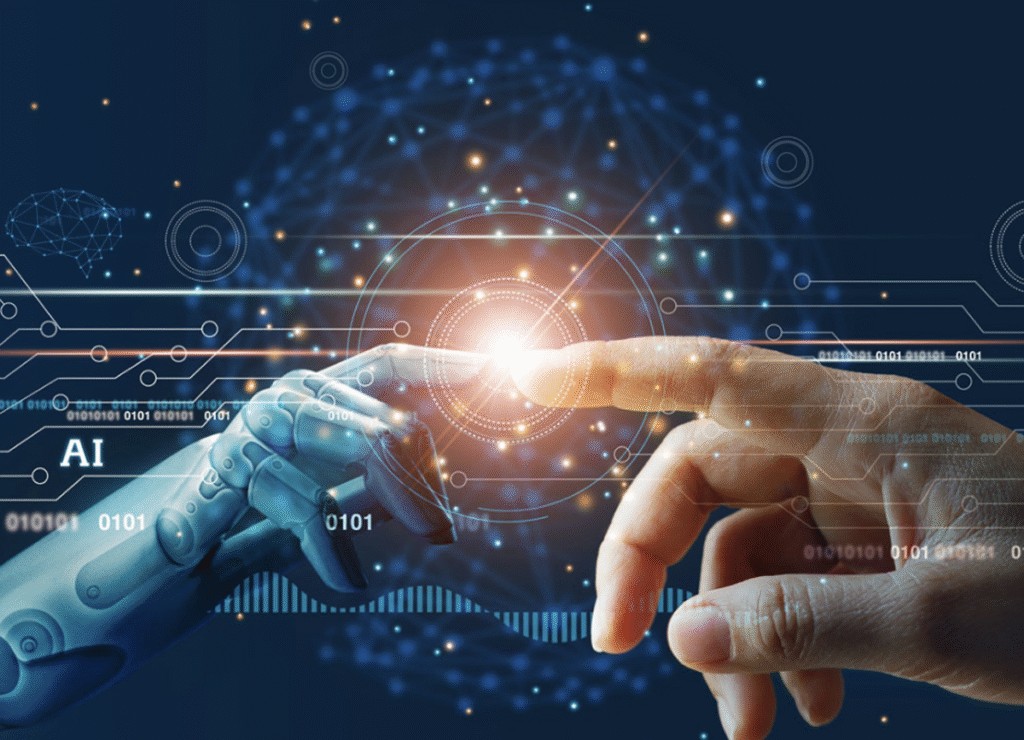
The AI era has begun, and the reluctance to embrace it is not insurmountable. Demystifying what AI can do for us, and to us, is key. More importantly, as these women agree, we mustn't lose sight of the need to firmly fasten heartware to hardware, sustaining human connection and talent as the technology advances.