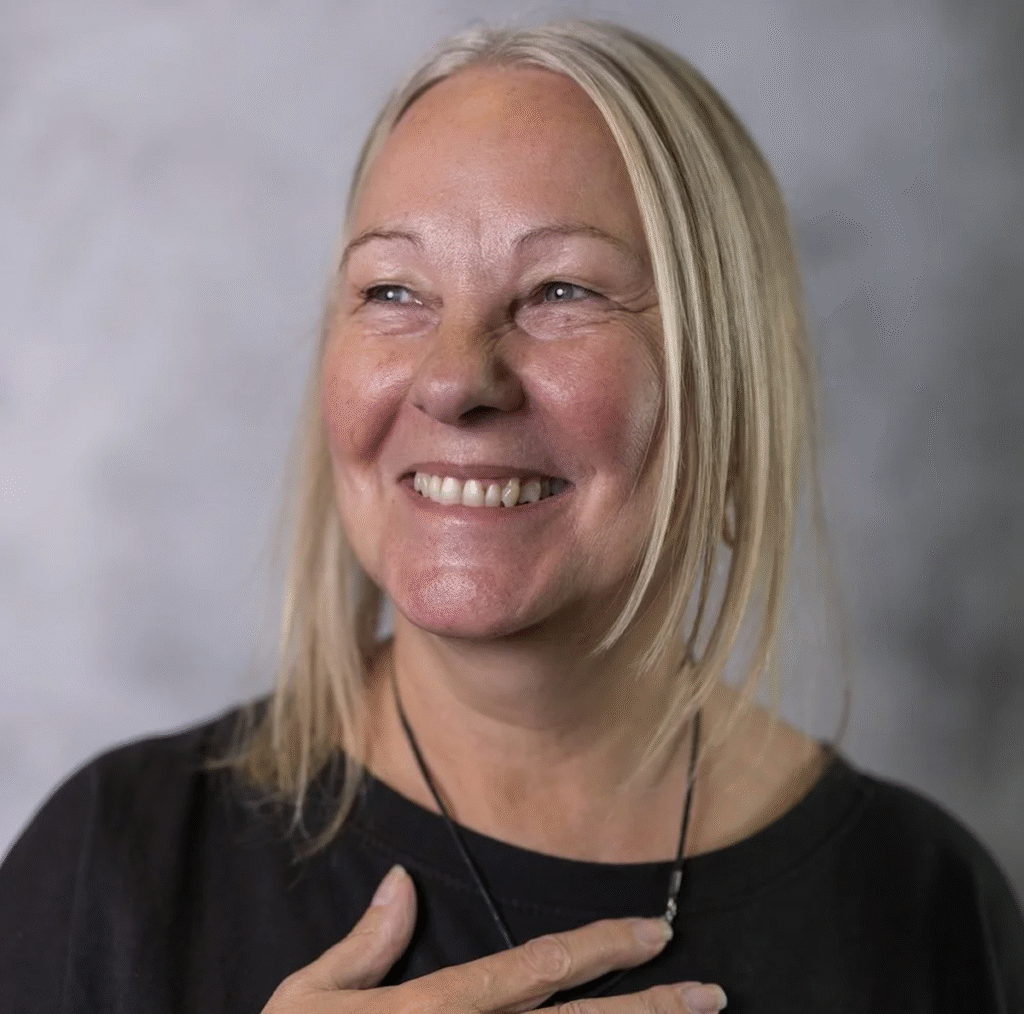
Lizette B. Suxo: Language is the soul of a culture
“To learn our language is to preserve the ways in which our ancestors lived in the world. How they saw, felt, and experienced the world. If we lose our language, we lose that important vision and perspective.”
These powerful words of her “yatichiri” (Aymara for teacher) had left an indelible mark on Dr. Lizette B. Suxo, who is on a mission to protect and preserve her heritage language Aymara so that future generations, including her son, can also be connected to their Aymara cultural heritage.
She believes that “it’s never too late to be the change.” Her quest turned to passion, then purpose and now advocacy.
“I want to make sure that my family’s heritage language does not disappear with my generation. My parents are part of the last generation to speak Aymara in our family and if my cousins and I don’t learn it… it’s gone,” laments Lizette.
Aymara is a language spoken, along with Spanish and Quechua, by some 2.5 million Aymara people in the Andes Mountain range in South America, spread between Bolivia, Peru, Chile, and Argentina. Born in Manhattan, New York to emigrant parents from Copacabana, Bolivia, Lizette, 44, started her journey to connect with her Andean culture and learn Aymara when she was 20 years old.
“I took Aymara in college during a semester of study abroad in Bolivia. I remember sitting in class learning vocabulary words when I realised all those words that we used growing up in the kitchen, in everyday life… names of animals… colors… numbers… were all Aymara words. It was like a lightbulb went on after so many years,” shares Lizette, who has a BA in Latin American Studies from Bryn Mawr College.
As a first-generation Bolivian American, navigating her identity has always been part of life for Lizette. The long Covid-19 pandemic made her rethink her priorities. Subsequently, a rare breast disease diagnosis in late 2022 compelled her to reflect on many important aspects of her life. She was 43.
“We were so isolated during the pandemic. We had more time to think about things in different ways. Journaling and reflecting led me to greater clarity in a time of great transition. Once I reconnected my values and beliefs with my goals, I thought, ‘Okay, where are these communities and how can I support and be supported?’”
“Getting sick at the end of 2022 forced me to think about my legacy. It became clear as day to me that learning my heritage language is an important part of my identity formation and crucial to cultural preservation. How does my cultural identity take on new meaning in motherhood? All those questions became more salient as I was navigating new health challenges.”
Through social media she connected with other first-generation Andean Americans renegotiating their identities in new contexts. When the pandemic lockdown lifted, she began meeting people she had previously only met virtually, and realised they had a lot of nuanced experiences in common. So began her zealous pursuit to learn more about her heritage language, traditions and culture.
“My advocacy is focused on maintaining cultural heritage through language. Learning Aymara, the indigenous language spoken by my ancestors, is both a connection to my culture and people, as well as an act of resistance and repair,” Lizette says.
Language is the soul of a culture. It is a means of conveying values, beliefs and customs, and it cultivates feelings of group identity and solidarity.
Connecting with other like-minded first-generation Andean folks inspired the mission of her organization, The Ayllu. Launched in June 2023, the Ayllu is an online virtual community for those looking to bridge the gap and connect with Aymara and Quechua resources and people in the U.S. and abroad. For centuries before the arrival of the Spanish conquerors, the “ayllu” was the traditional form of community in Andean society, a family and your immediate community.
“I feel compelled to offer access and, ultimately, my son will choose how much of this he builds into his own identity formation,” she says of her five-year-old.
Interwoven life choices
Learning the indigenous language of her ancestors is an extension of Lizette’s life’s work as an educator, consultant, executive leadership coach and facilitator. She has spent over two decades in the public education sector and, more recently, in Latin America supporting clients in education and non-profit spaces.
After a successful career in education and the completion of her doctoral studies, Lizette expanded her range by working with clients in healthcare, government and the corporate sector as a leadership coach and consultant. She firmly believes coaching can offer a transformational space for leaders to grow, so that they may, in turn, hold these spaces for their teams.
“I can’t remember exactly when, but WOW was one of the paths that opened to me when all these things were happening. WOW’s vision and mission perfectly aligned with mine,” she recalls. After meeting Marjorie Garrovillo and Isa Buencamino, co-founders of WOW, she was invited to join WOW’s coaching programme, and didn’t think twice.
“After participating in WOW’s coaching programme I was able to elevate my coaching. I am excited to offer coaching in Spanish, particularly to women in leadership who may not otherwise be able to afford it.”
“It’s never too late to be the change…” has been Lizette’s maxim in all things, whether coaching for transformational leadership, empowering others on their language preservation journey, or priming her son to be a multilingual citizen of the world.